Proteins and whey: how to choose your protein powder
Whey (lactose protein) remains the most sought-after protein powder by French athletes, ahead of casein and vegetable proteins. It stands out for its rapid absorption and its complete profile of essential amino acids, including BCAAs (leucine, isoleucine, valine). For this reason, it is preferred after training, when the body needs protein intake most for muscle recovery.
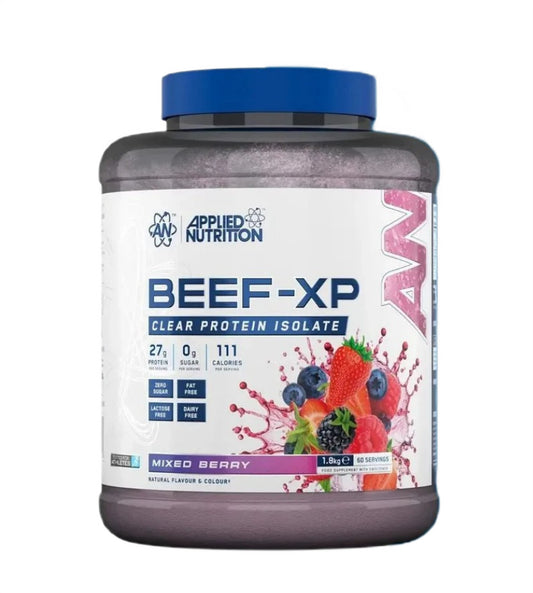
Several forms exist depending on the needs: concentrated whey (WPC), more economical and slightly richer in lactose; whey isolate (WPI), purer and low in carbohydrates and lipids; and hydrolyzed whey, pre-digested for even faster absorption. For people sensitive to lactose, isolate or a clear whey (hydrolyzed protein in the form of a clear drink) are interesting alternatives.
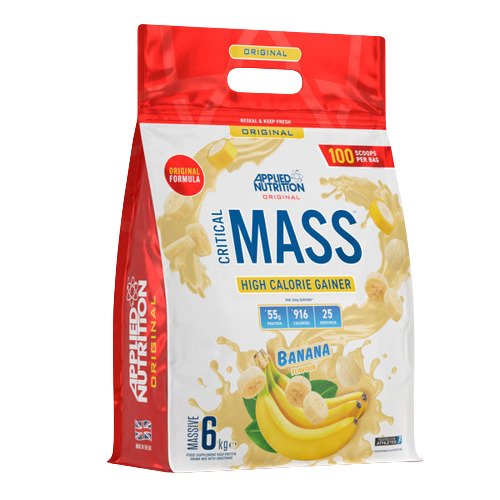
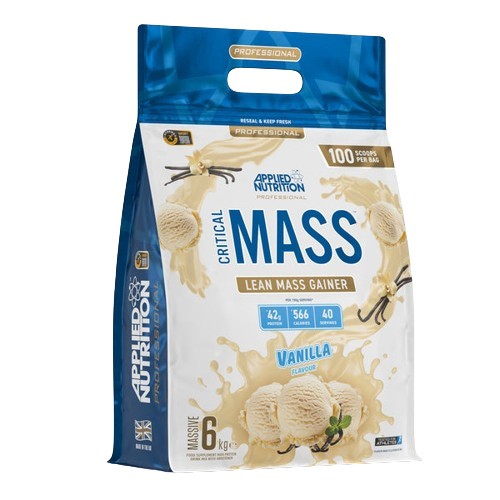
Protein powder is also highly sought after for bulking: combined with a caloric surplus and appropriate training, it makes it easy to increase daily protein intake without multiplying protein-rich foods (meat, eggs, fish, legumes). This is one of the reasons why searches for protein to gain weight or for bulking remain among the most frequent for this type of product.
What athletes look for before buying a whey protein
- The protein content per serving (generally between 20 and 27 g for 30 g of powder)
- The presence or absence of lactose or milk protein, for intolerant or allergic people
- The amino acid profile and BCAA content
- The taste and solubility in water or milk
- The origin and traceability of the raw material
On Pharma+ France, each product sheet details the exact composition, instructions for use and allergens of each reference, including the presence of milk protein for allergic people, to enable you to choose the protein best suited to your sports practice and digestive tolerance. Like any food supplement, whey does not replace a varied and balanced diet.